Garden & Outdoor
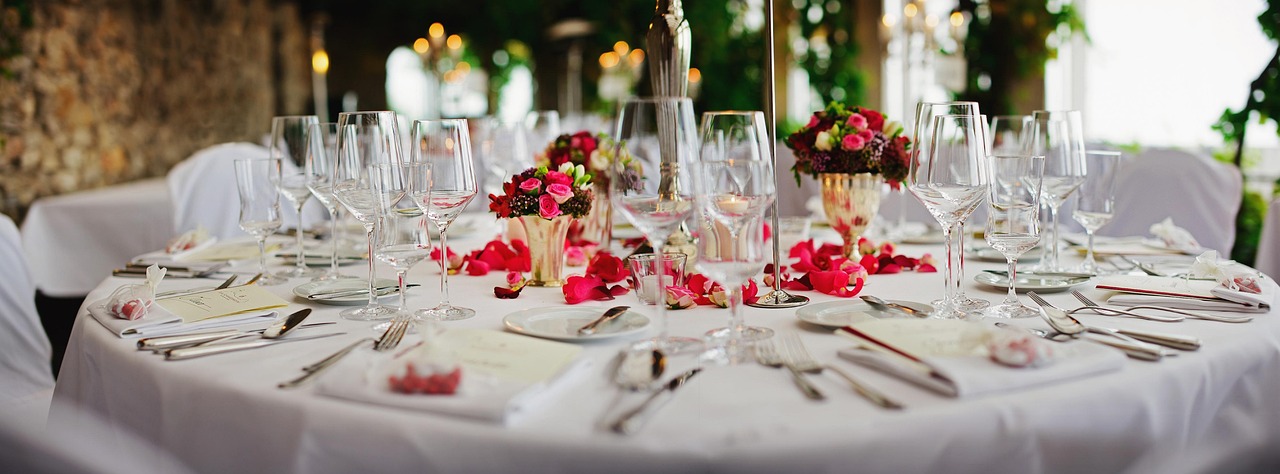
Some of the most beautiful table arrangements I have ever made cost nothing. They came from a walk along a hedgerow, a handful of fallen leaves, a branch that had snapped in the wind. Foraged centerpieces are not a compromise on style — they are a different kind of style altogether, one that changes with the season and never looks the same twice.
The first rule of foraging is simple: take only what is abundant, and never take so much that the place looks picked over. Fallen branches, dried seed heads, windfall apples, and stones are all fair game. If you are uncertain about a plant, leave it. The point is to notice what is already there, not to clear the hedgerow.
Start with a base. A shallow wooden bowl, a vintage tray, a piece of slate, or even a length of burlap laid flat. The base sets the mood: wood and slate feel rustic, a ceramic platter feels more refined, a linen runner feels soft and cottage-like. Choose one that suits the meal you are serving, or the season you are in.
Then layer in three heights. Something low and spreading at the base — moss, small stones, a scatter of acorns or pinecones. Something mid-height — a few dried stems, a small pile of pears, a cluster of mushrooms (store-bought is fine). And one taller element to give the arrangement a spine — a bare branch, a tall grass, a single dried allium. Three heights are enough. More than that and the eye gets lost.
Color comes last. In autumn, lean into rust, ochre, and deep green. In winter, go bare and monochrome — grey branches, white candles, a few sprigs of evergreen. In spring, pale green and soft yellow. In summer, whatever is flowering in your own garden. The trick is to choose a palette and then resist adding just one more thing. Restraint is what separates a foraged centerpiece from a pile of sticks.
Foraged arrangements are not meant to last forever, and that is part of their charm. But a few small habits will keep them looking good for a week or more. Mist dried elements lightly if the air in your home is very dry. Keep fresh greenery in a small water source hidden inside the base. And if you are using candles, place them in holders so wax does not drip onto the arrangement.
Practicality matters too. A centerpiece should not block conversation or make it impossible to pass the potatoes. Keep it low, or keep it to one end of the table. On a long table, two smaller arrangements look better than one large one. On a round table, a single low bowl is perfect.
The best part of foraged styling is that it changes with you. What you gather in October will not look like what you gather in March, and that is exactly the point. Your table becomes a record of where you have walked and what the season was doing. No store-bought arrangement can do that.
