Cozy Cottage Living
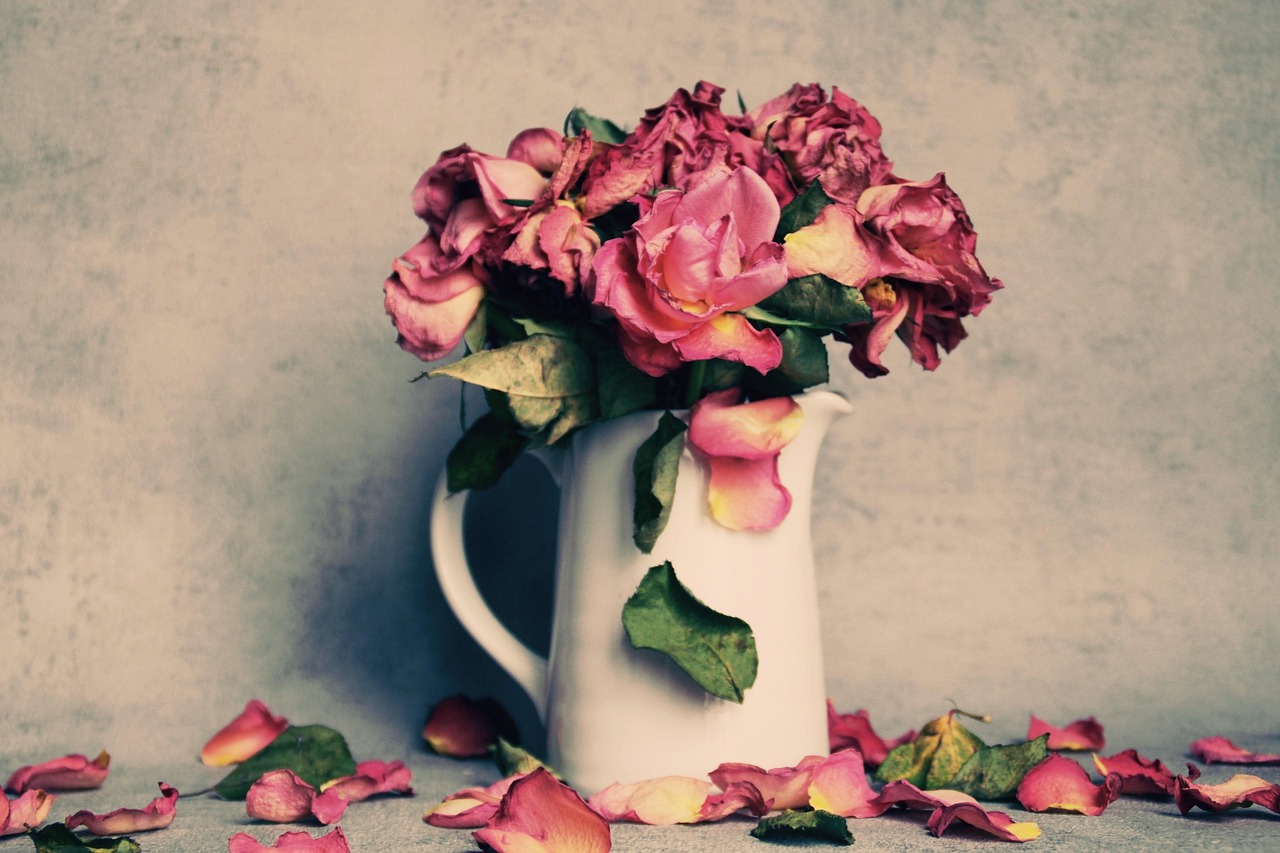
Fresh flowers are a joy, but they are also a countdown. You arrange them on Monday, and by Friday they are drooping in a way that feels almost personal. Dried flowers offer something different — a way to keep the garden present in your home through the whole year, without the pressure of keeping anything alive.
I started drying flowers almost by accident, when a bunch of lavender from the farmers market dried out before I could use it. Instead of tossing it, I tied the stems with twine and hung them upside down in a closet. Two weeks later, they had become something quietly beautiful. Now I dry something from every season: peonies in early summer, hydrangeas in late summer, seed pods in autumn, and evergreens in winter.
Not every flower dries well. The ones that keep their character tend to be sturdy and low in moisture. Lavender, statice, strawflower, yarrow, hydrangea, and most ornamental grasses are reliable choices. Roses can work if you hang them before they fully open. Avoid anything fleshy or watery, like tulips or lilies, which tend to turn brown and collapse.
The simplest drying method is also the best. Cut stems on a dry day, remove the lower leaves, and bundle them in groups of five or six. Tie the bundle with string and hang it upside down somewhere dark, dry, and airy — a closet, a pantry, a garage corner. Sunlight will fade the colors, so keep them out of direct light. Most stems are ready in two to three weeks, when they feel papery and stiff.
The trick to keeping dried flowers from feeling tired is to treat them like sculpture rather than a bouquet. Use fewer stems than you think you need. A single tall grass in a slim vase, a small bundle of lavender in a stoneware pitcher, or three dried hydrangea heads in a wide bowl can all hold a room together better than a crowded arrangement.
Mix dried stems with other natural materials — a piece of driftwood, a stack of old books, a beeswax candle. Vary the heights and let some stems lean. If a few seed heads drop, that is part of the charm. You can also tuck dried stems into unexpected places: a jar in the bathroom, a small vase on a stack of towels, a single stem tucked behind a framed print.
One thing worth saying: dried flowers do collect dust. A gentle shake now and then, or a quick pass with a hairdryer on the cool setting, keeps them fresh. And when they finally fade, do not feel obligated to keep them. Compost them, then go outside and gather something new. That cycle — gather, dry, enjoy, release — is its own small ritual, and it is one of the loveliest rhythms of natural home living.
