Nature-Inspired Decor
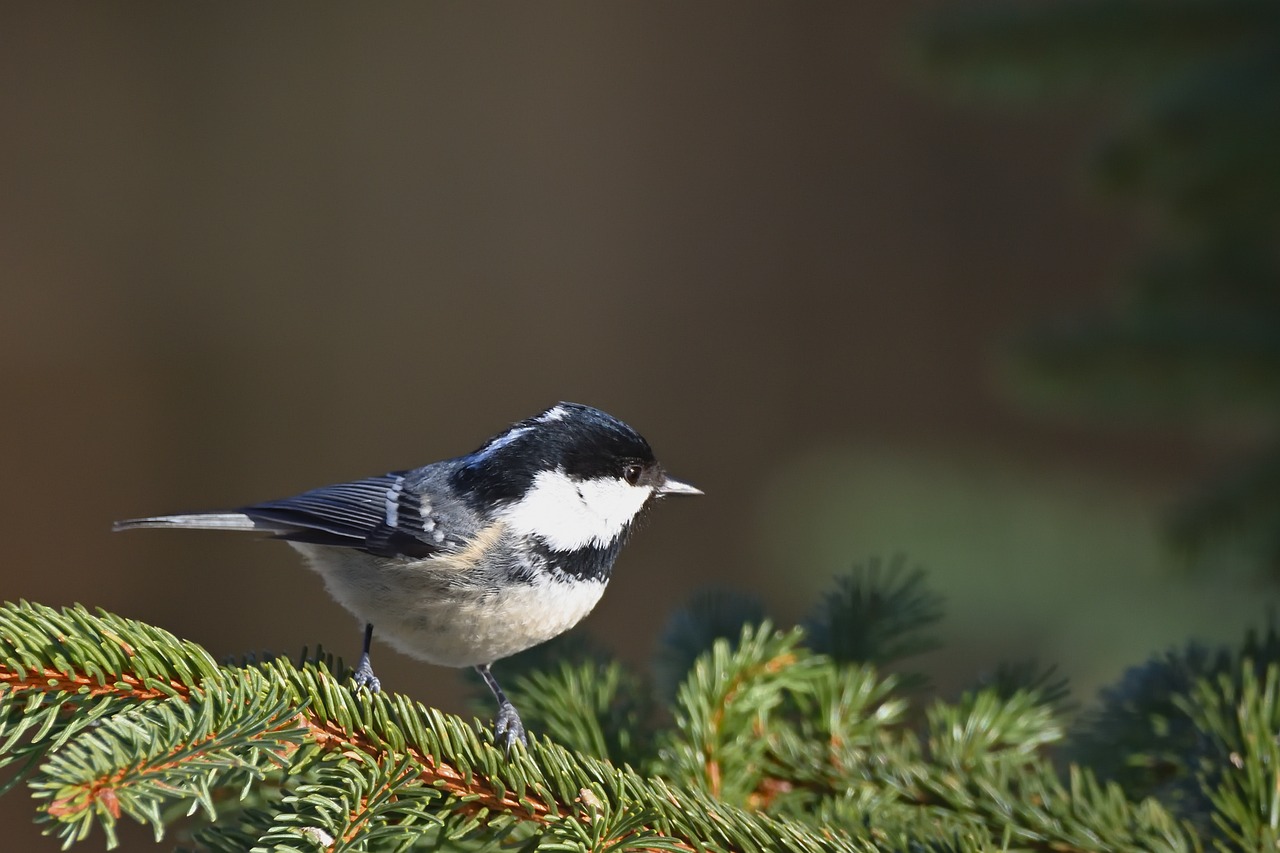
There's nothing quite like the sight of a small bird flitting through the garden. It's a reminder that we share our spaces with creatures who are just as busy, just as purposeful, and just as beautiful as we are. Creating a bird-friendly garden is one of the most rewarding things you can do as a nature lover. It's not about perfection—it's about providing a few simple things that birds need: food, water, shelter, and a safe place to raise their young.
The best part? A bird-friendly garden is also a people-friendly garden. It's a garden that's alive with movement and sound. It's a garden that changes with the seasons. And it's a garden that asks very little of you beyond a willingness to observe and enjoy.
Let's start with food. The easiest way to attract birds is to plant native species that provide seeds, berries, and nectar. Native plants are adapted to your local climate, so they require less water and less maintenance than exotic species. They also provide food for the insects that many birds rely on, especially during nesting season.
If you have the space, consider planting a mix of trees, shrubs, and perennials. Trees like oak, birch, and serviceberry provide acorns, catkins, and berries. Shrubs like elderberry, viburnum, and winterberry offer dense cover and fruit. Perennials like coneflower, black-eyed Susan, and bee balm attract pollinators and produce seeds that birds love.
Of course, you can also supplement with feeders. A simple platform feeder filled with black oil sunflower seeds will attract a wide variety of birds. A suet feeder is a favorite of woodpeckers and nuthatches. And a hummingbird feeder filled with a simple sugar-water solution (one part sugar to four parts water, no red dye) will bring these tiny jewels to your window.
Water is just as important as food. A birdbath, a small pond, or even a shallow dish of water will bring birds in, especially during hot summer months. Keep the water clean and fresh, and if you can, add a small dripper or mister—the sound of moving water is irresistible to birds.
Shelter is the third piece of the puzzle. Birds need places to hide from predators, escape bad weather, and build nests. Evergreen trees and shrubs are excellent for year-round cover. A brush pile in a corner of the yard provides habitat for insects and small birds. And a nesting box or two can encourage birds to raise their families right in your garden.
A bird-friendly garden is also a safe garden. That means keeping cats indoors or supervised, avoiding pesticides and herbicides, and making sure windows are treated with decals or screens to prevent collisions. It also means leaving some areas a little wild. A perfectly manicured lawn has little to offer birds, but a patch of native grasses, a pile of leaves, or a fallen log can be a haven for insects and birds alike.
One of the joys of a bird-friendly garden is that it invites you to slow down and pay attention. You start to notice the first robin of spring, the chickadees caching seeds in the fall, the juncos arriving for the winter. You learn the calls and songs, the comings and goings, the small dramas of bird life.
And you realize that your garden is not just yours. It's a shared space, a small piece of the larger world. By making it welcoming for birds, you're also making it more beautiful, more alive, and more meaningful for yourself.
